
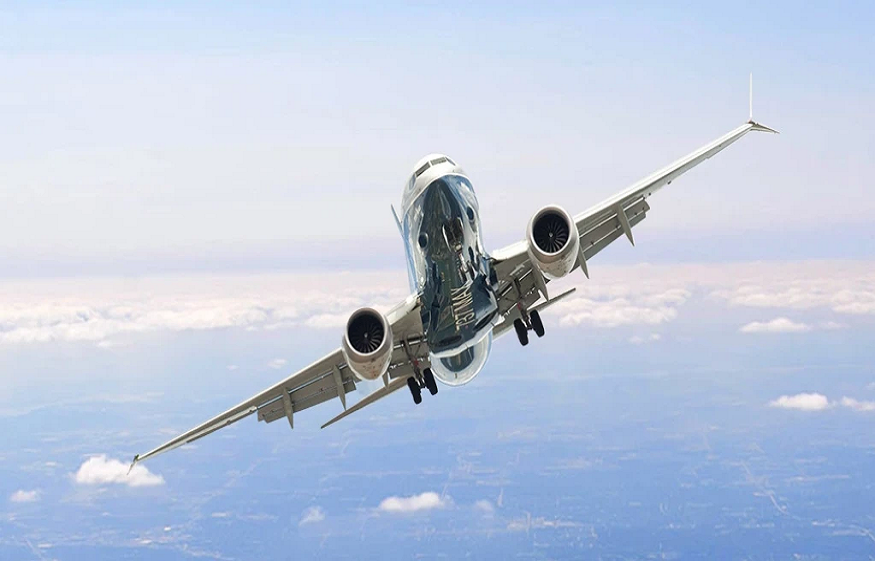
For an aspiring commercial pilot, the transition from flying light, single-engine trainers to commanding a multi-million-dollar jet is marked by one significant milestone: the type rating. A B737 NG Type Rating is a specialized certification that authorizes a pilot to fly a specific make and model of aircraft, such as a Boeing 737 or an Airbus A320. Unlike the broad principles learned during initial flight training, a type rating is a deep dive into the complex systems, avionics, and handling characteristics of a heavy aircraft. One of the most common questions from pilots preparing for this stage is how long the process takes. While the intensive nature of the course makes it feel like a marathon, the actual timeline is surprisingly compact, typically spanning several weeks of rigorous, full-time commitment.
The Ground School Phase: Building the Technical Foundation
The journey usually begins with ground school, which is the most academic and information-dense portion of the course. This phase generally lasts between ten and fourteen days. During this time, pilots are immersed in the technical manuals of the aircraft. They must master the intricacies of the electrical, hydraulic, pneumatic, and fuel systems, as well as the advanced flight management computers that act as the brain of the jet. In the modern era, much of this phase is supported by computer-based training, allowing pilots to review systems at their own pace before entering a formal classroom setting with an instructor.
The goal of ground school is to ensure that the pilot knows the aircraft inside and out before they ever step into a cockpit. This includes memorizing “memory items”—critical procedures for emergencies that must be performed instantly without consulting a checklist. At the end of this phase, pilots must pass a written examination or a series of oral quizzes to prove they have the theoretical knowledge required to move on to the practical application.
Cockpit Procedure Training and Fixed-Base Simulators
Once the systems knowledge is solidified, the focus shifts to the “paper tiger” or fixed-base simulators. This intermediate step usually takes about three to five days. During this period, pilots learn the flow of the cockpit—the specific sequence of switches, buttons, and checks required to prepare the aircraft for flight. Since the cockpits of large jets are highly standardized, learning the correct “flows” is essential for effective multi-crew cooperation.
Fixed-Base Simulators provide a realistic layout of the cockpit without the motion or the advanced visuals of a full-flight simulator. It is a cost-effective way for pilots to practice normal and non-normal procedures, such as engine starts, programming the flight management system, and navigating the complex menus of the glass cockpit. This phase is less about flying and more about muscle memory and procedural accuracy, ensuring that the pilot feels at home in the flight deck environment.
The Full-Flight Simulator: The Core of the Training
The most intense part of the type rating course takes place in a Level D Full-Flight Simulator. This is where the pilot spends the majority of their practical training, typically over a period of ten to twelve days. These simulators are technological marvels that replicate the motion, sounds, and visuals of the actual aircraft so accurately that the time logged in them counts as real flight time. Each simulator session usually lasts four hours, preceded by a long briefing and followed by a detailed debriefing.
In the simulator, the training focuses on high-stress scenarios. Pilots practice engine failures at V1 (the point of no return on takeoff), hydraulic losses, electrical fires, and low-visibility approaches. The intensity is designed to push the pilot to their limits, ensuring they can handle any emergency with calm and precision. Because the simulator can be frozen or repositioned, it allows for a density of training that would be impossible and unsafe in a real aircraft. This phase culminates in the “checkride,” a final practical exam with an examiner that determines if the pilot is ready to be typed on the aircraft.
Conclusion
Completing a type rating is an exhausting but rewarding experience that condenses an incredible amount of learning into a very short period. From the first day of ground school to the final checkride, the process generally takes between twenty-five and forty days of dedicated study and practice. It is a period where social lives and hobbies are set aside in favor of system diagrams and simulator profiles. However, this intensity is necessary to ensure that when a pilot finally takes the controls of a passenger-filled jet, they are prepared for every possible contingency.