
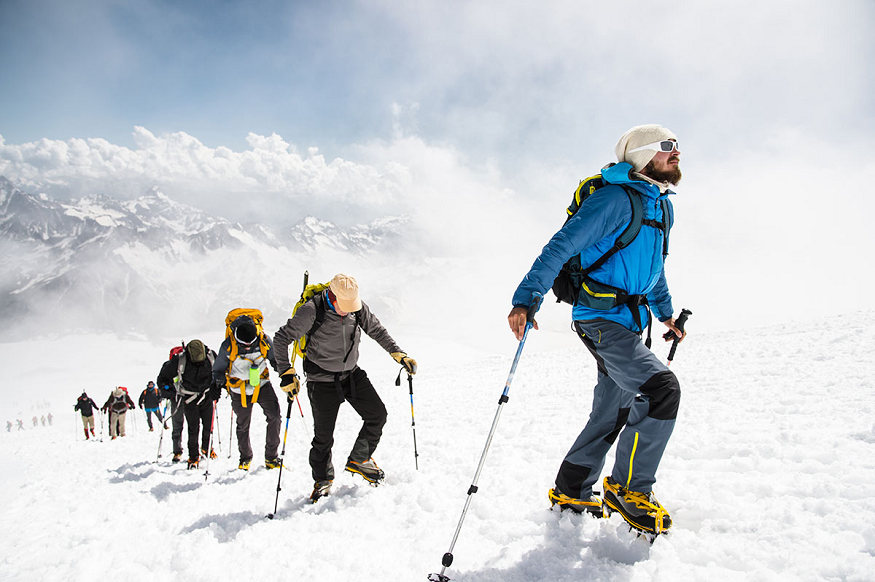
Mountains have a way of changing perspective. As altitude increases, distractions fall away and focus sharpens. Each step becomes deliberate. Each decision carries weight. For those drawn to mountaineering, this clarity is part of the appeal. It strips life back to essentials and rewards patience, skill and respect for the environment.
Yet the very qualities that make mountaineering so compelling also demand responsibility. High altitude environments are unpredictable. Weather shifts quickly. Terrain changes without warning. Even the most experienced climbers understand that preparation is not optional. It is fundamental.
The Reality of Remote Environments
Mountaineering often takes place far from immediate help. Rescue services may be limited, delayed or dependent on conditions. Communication can be unreliable. Access routes may be narrow or exposed.
In these environments, small issues can escalate quickly. A minor injury at low level might be inconvenient. At altitude, it can become serious. Fatigue, cold and reduced oxygen all affect judgement and recovery.
Understanding this reality is not about fear. It is about respect for the setting and the discipline required to move through it safely.
Experience Teaches Caution
Those who spend time in the mountains often develop a quiet humility. Success is measured not only by reaching a summit, but by returning safely. Good decisions are valued more than bold ones.
This mindset shapes how experienced mountaineers approach every aspect of their activity. Routes are planned carefully. Equipment is checked repeatedly. Conditions are assessed constantly. Turnaround points are respected.
Caution does not diminish adventure. It preserves it.
Preparation Beyond the Climb Itself
Most climbers focus first on physical readiness. Strength, endurance and technical skill are essential. However, preparation extends well beyond training.
Logistics play a major role. Travel to remote regions, accommodation, permits and timing all require coordination. Weather windows must be respected. Emergency plans should be considered even if they are never needed.
Mental preparation is equally important. Understanding personal limits and being willing to adapt plans protects both individuals and teams.
When Plans Change Without Warning
No matter how thorough the preparation, mountains remain unpredictable. Storms arrive earlier than expected. Routes become unsafe. Health issues can appear suddenly.
When plans change, flexibility becomes vital. Being able to respond calmly and decisively reduces risk. Stress increases when external pressures are added to already challenging situations.
This is why experienced climbers often think carefully about practical contingencies alongside physical preparation.
Managing Risk Without Losing Purpose
Risk is an inherent part of mountaineering, but it is not the objective. The aim is not danger, but mastery. Understanding risk allows climbers to manage it intelligently rather than ignore it.
This includes recognising when conditions are unsuitable, when energy levels are too low or when objectives should be postponed. Turning back is often a sign of good judgement, not failure.
Managing risk well allows mountaineers to continue pursuing their passion over many years rather than burning out or suffering avoidable setbacks.
Why Practical Planning Supports Mental Focus
Clarity reduces cognitive load. When practical considerations are addressed in advance, mental energy is freed up for the climb itself. Focus improves. Decisions become clearer.
Some climbers include considerations such as mountaineering insurance as part of this broader planning approach. It sits alongside logistics and emergency planning rather than replacing experience or judgement.
Knowing that practical aspects have been considered allows attention to remain on terrain, conditions and team communication.
The Value of Specialist Understanding
Mountaineering is not a generic activity. It involves altitude, technical equipment, remote travel and variable risk. Generic solutions often fail to reflect these realities.
This is where specialist insight becomes valuable. Organisations such as Summit FS understand the demands of high risk and expedition-based activities. Their experience allows them to engage with climbers who live outside conventional assumptions.
This specialist understanding supports informed decision making rather than one size fits all thinking.
The Role of Responsibility in Adventure
Adventure does not exist in isolation. Climbers have responsibilities to themselves, their teams and often their families. Preparation honours those responsibilities.
Responsible planning does not reduce freedom. It supports it. When risks are managed thoughtfully, climbers are more likely to return safely and continue pursuing future objectives.
This balance between ambition and responsibility defines sustainable mountaineering.
Learning From Every Expedition
Each expedition leaves lessons behind. Conditions encountered, decisions made and outcomes experienced all contribute to growth. Even trips that do not reach their objective offer valuable insight.
Reflecting on these experiences improves future planning. It sharpens judgement and builds resilience. Over time, climbers develop a deeper understanding of both the mountains and themselves.
This learning process is ongoing and central to mountaineering culture.
Why the Mountains Demand Respect
Mountains reward patience and punish complacency. They offer beauty and challenge in equal measure. Those who approach them with preparation and humility tend to experience the most fulfilment.
Respect shows in planning, in decision making and in knowing when to stop. It shows in how climbers look after themselves and others.
Preparation is not a barrier to adventure. It is what allows adventure to exist at all.
Climbing With Intention
Mountaineering is not about ticking boxes. It is about intention, presence and commitment. Every ascent is shaped by choices made long before the first step is taken.
When climbers prepare thoroughly, manage risk intelligently and respect the environment, they create space for meaningful experiences. The summit becomes a moment, not the measure.
In the mountains, clarity matters. Preparation makes that clarity possible.