
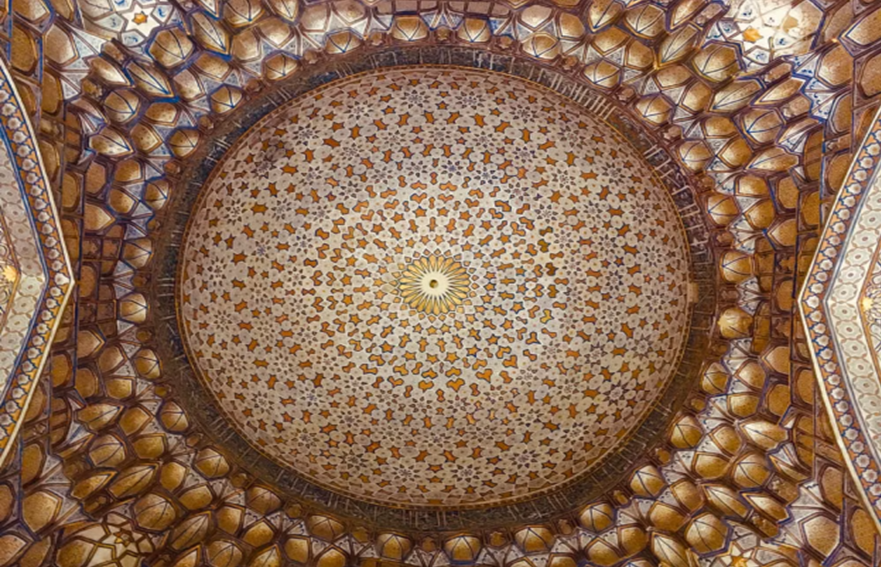
For years, Central Asia sat firmly in the “adventurous backpacker” category of world travel, a region for the intrepid rather than the indulgent. That reputation is shifting fast. Heading into 2026, industry coverage has repeatedly flagged the Five Stans, Kazakhstan, Kyrgyzstan, Uzbekistan, Turkmenistan, and Tajikistan, as one of the year’s notable emerging regions, and the reasons go well beyond novelty.
What’s changed isn’t the region’s history or landscapes, both of which have always been extraordinary. What’s changed is access, infrastructure, and the kind of traveler now paying attention.
Why Is Central Asia Suddenly on Everyone’s Radar?
A few converging factors explain the timing. Uzbekistan introduced a 30-day visa-free entry policy for U.S. travelers at the start of 2026, a change Forbes described as making the country “affordably rewarding” for a new wave of visitors.
Around the same time, the UN World Tourism Organization ranked Uzbekistan among the world’s fastest-growing tourism destinations, reflecting a sharp rise in international arrivals. Lonely Planet’s newly published Central Asia guidebook has only added to the momentum, giving the region a level of mainstream editorial attention it rarely received in the past.
Read More: Cozy Greek Island Off-Season: Why Autumn and Spring Are the Best Times to Visit Zakynthos
None of these developments happened in isolation. Easier entry policies tend to attract media coverage, which in turn drives search interest and booking activity, and each factor has reinforced the others over the past year.
What’s Driving the Shift from Niche to Luxury?
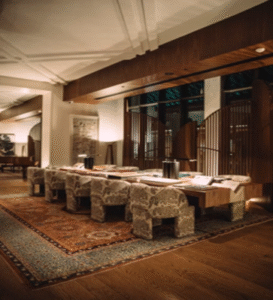
Easier entry explains why more travelers are looking at the region. Improving hospitality infrastructure explains why luxury travelers, specifically, are starting to take notice. Boutique hotels built into restored historic buildings have opened across Samarkand and Bukhara in recent years, offering a level of comfort that simply didn’t exist in the region a decade ago.
That combination, genuine historical depth paired with rising hotel standards, is exactly what luxury travel tends to chase once a region opens up.
Guides and transportation have improved alongside the hotels. Air-conditioned vehicles, better-maintained roads between cities, and local guides trained specifically for international visitors have all become more common, closing the comfort gap that once kept upscale travelers away.
What Does Experience-Led Tourism Look Like Here?
Rather than static sightseeing, the most memorable trips through this region increasingly center on participation and access:
- Private, after-hours visits to major sites like Registan Square
- Home-hosted meals with local families rather than restaurant-only dining
- Artisan encounters in Bukhara’s living craft workshops, from carpet weaving to metalwork
- Folk performances drawing on regional traditions, including UNESCO-recognized dance forms
These experiences are harder to arrange independently, which is part of why guided, small group Five Stans tours have become the preferred way to access them.
Is This Still an Off-the-Beaten-Path Destination?
Mostly, yes, at least for now.
Growth in visitor numbers hasn’t yet translated into crowded landmarks. Major sites across the region still see a fraction of the foot traffic found at comparable UNESCO World Heritage Sites in Western Europe, which is precisely the appeal for travelers who’ve grown tired of shuffling through crowds elsewhere.
Read More: The Importance of Emergency Medical Coverage While Traveling in Germany
That window may not stay open indefinitely as more of the world’s travel media continues to spotlight the region, which is part of why the current moment matters.
How Are Travelers Actually Experiencing This Shift?
Most travelers aren’t piecing together five-country logistics on their own. Coordinated, all-inclusive Five Stans tours handle the border crossings, internal flights, and hotel bookings that would otherwise eat into a trip’s actual sightseeing time, while still delivering the kind of small group, guided access that defines the region’s current appeal.
East Site Travel, a US-based tour operator with an established, on-the-ground office in Uzbekistan, is one of the companies positioned to benefit from this shift. Their luxury Five Stans tours combine handpicked accommodation with the kind of experience-led itinerary this moment calls for, and their Central Asia tours are built specifically around small groups rather than mass-market logistics.
Travelers curious about booking a Five Stans travel itinerary while the region still feels genuinely uncrowded can contact East Site Travel directly to learn more about upcoming departures.
About the Author: Camille Voss is a luxury travel writer covering emerging destinations and the hospitality trends shaping where affluent travelers choose to go next. Her work has appeared in several international travel publications.